


Download When The Past Was Around – Point-and-Click Puzzle, Emotional Storytelling, Surreal Narrative
Overview
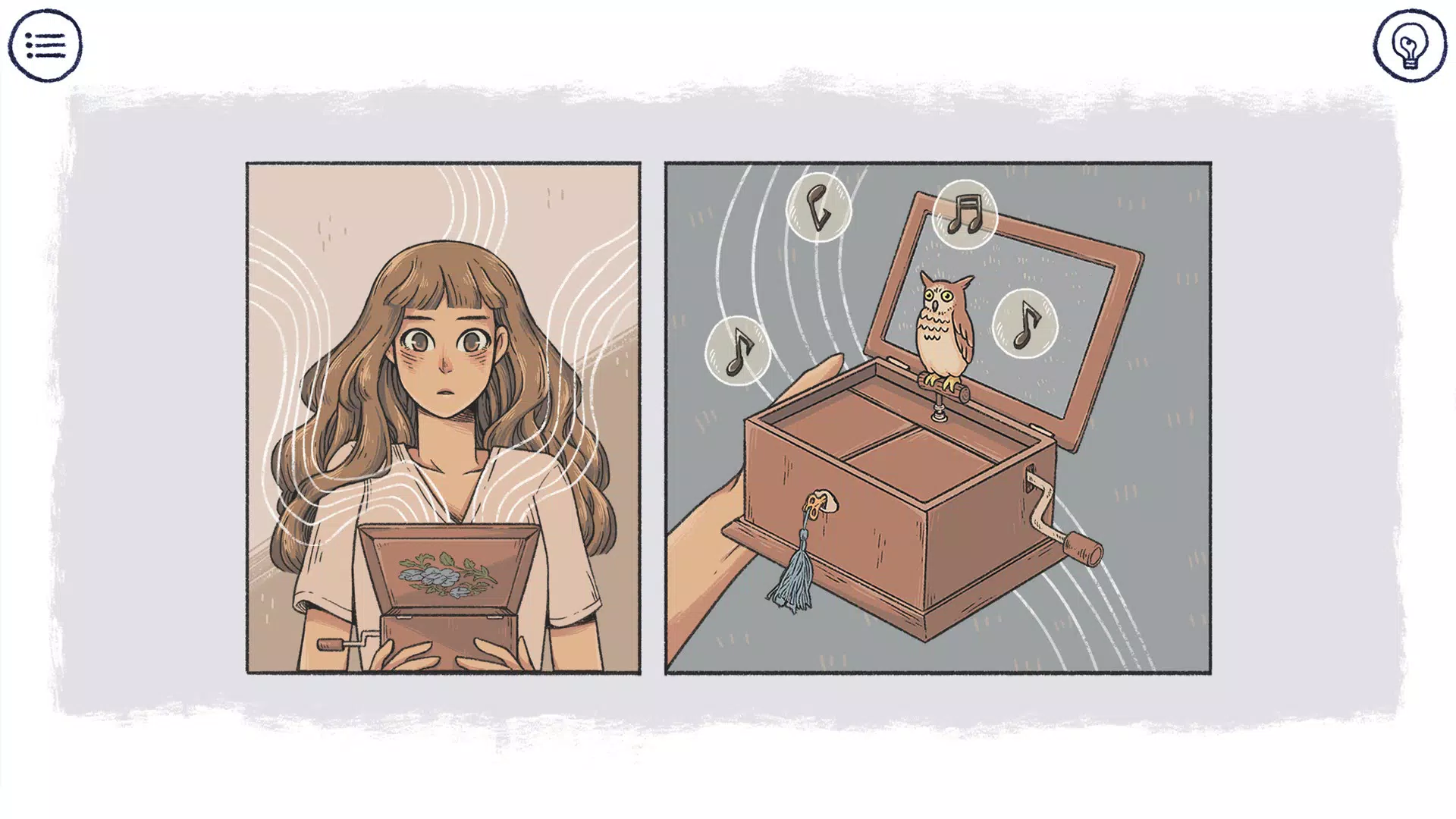
When The Past Was Around is a narrative-driven point-and-click puzzle game that immerses players in a deeply emotional journey through memory, loss, and personal transformation. Developed by Brigitta Rena, the game centers on Eda, a young woman grappling with the aftermath of a significant relationship. Guided by a mysterious figure known as The Owl, players navigate surreal, dreamlike environments where each room represents a fragment of Eda’s past. The game’s core purpose lies in exploring the psychological weight of unresolved emotions and the process of self-discovery through interactive storytelling. It is designed for players who appreciate introspective experiences, visual artistry, and non-linear narratives. The target audience includes fans of indie games, emotional puzzle experiences, and those drawn to minimalist storytelling without dialogue. The developer, Brigitta Rena, is recognized for her hand-drawn aesthetic and thematic depth, contributing to a unique voice in the indie mobile gaming space. Real-world use cases include emotional reflection, mindfulness through play, and engagement with art-based narratives. In the broader app ecosystem, the game stands out as a niche yet meaningful tool that blends art, psychology, and interactivity, offering a meditative alternative to fast-paced gameplay.Key Features & Functionality
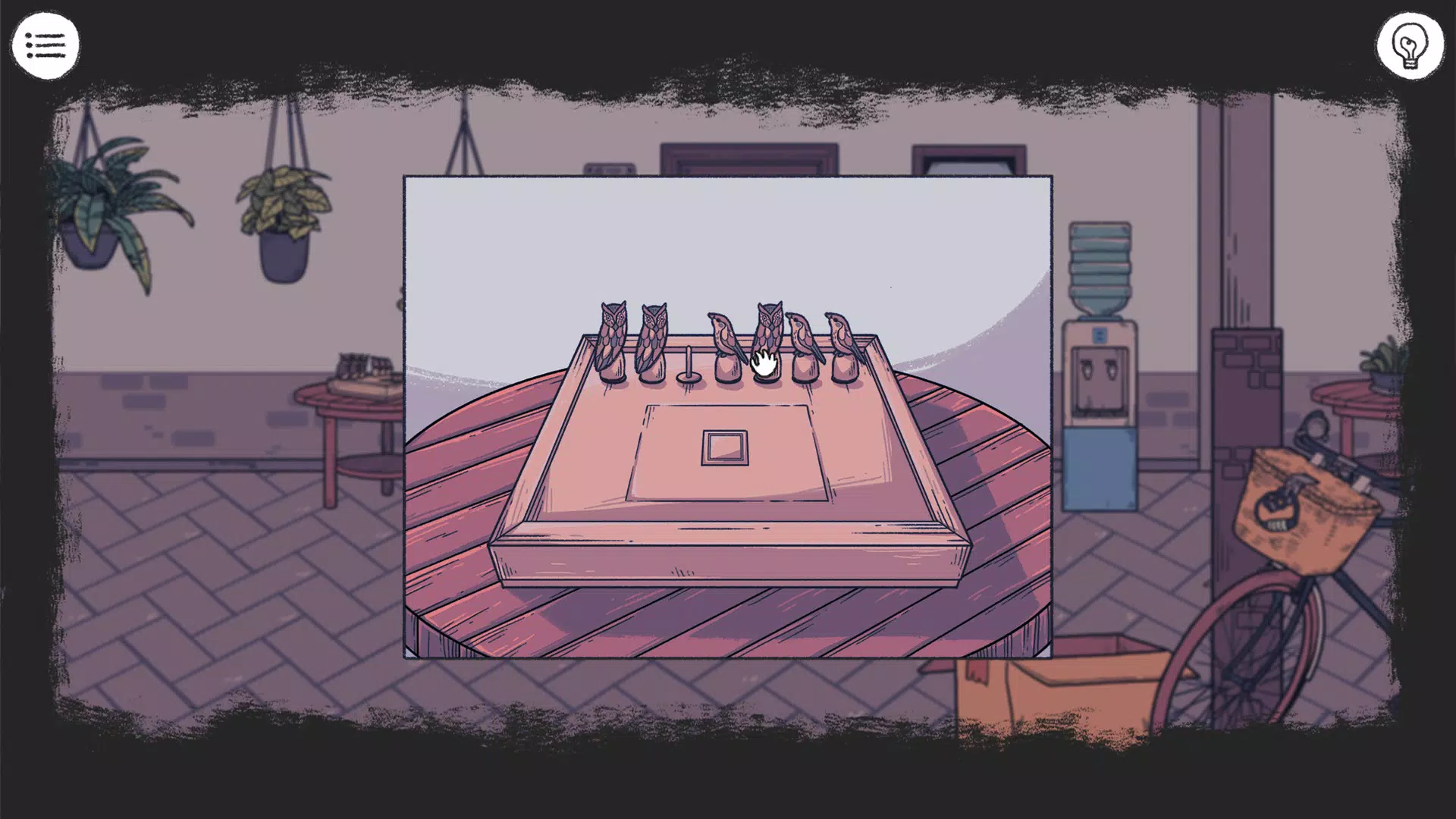
The game’s design emphasizes emotional resonance over mechanical complexity, with each feature serving the overarching narrative. The artistic storytelling is a cornerstone, relying entirely on visual cues and environmental details to convey emotion and memory. Hand-drawn scenes crafted by Brigitta Rena create a dreamlike atmosphere, where every texture and color choice reflects Eda’s internal state. The bittersweet journey unfolds through interconnected, disjointed rooms that mirror fragmented recollections, requiring players to piece together the emotional timeline. This structure encourages players to interpret scenes based on context rather than explicit instruction, fostering a personal connection to the story. The self-discovery theme is woven into gameplay mechanics—each solved puzzle reveals a new layer of Eda’s identity and emotional growth. Puzzles are not merely obstacles but narrative devices, such as reassembling broken objects or aligning symbolic elements to unlock memories. The atmospheric soundtrack, composed of soft violin melodies, dynamically shifts with the player’s progress, enhancing immersion and emotional impact. These features combine to create a cohesive experience where gameplay and story are inseparable. Real-world benefits include emotional processing, reflective thinking, and appreciation for visual art in digital media.Real-World Use Cases
- Players use the game as a tool for emotional reflection after personal loss.
- Art enthusiasts engage with the hand-drawn visuals as a form of digital art appreciation.
- Individuals seeking low-stimulation, meditative gameplay find the experience calming and introspective.
- Students of narrative design study the game’s non-verbal storytelling techniques.
- Those exploring themes of identity and memory use the game as a metaphorical mirror.
Interface, UX & Performance
The user interface of When The Past Was Around is minimalist and purposefully restrained, aligning with the game’s introspective tone. Navigation is intuitive, relying on point-and-click mechanics with clear visual feedback when interacting with objects. The layout of each room is carefully balanced to guide attention without overwhelming the player, using spatial design to suggest potential interactions. The visual style—hand-drawn, soft-edged, and emotionally charged—contributes to a seamless UX that feels organic rather than forced. Players can move between rooms through subtle transitions, maintaining the dreamlike continuity of the narrative. Although the developer did not list formal performance metrics, the game appears optimized for smooth operation across mid-tier devices, with responsive controls and minimal loading delays. Stability is maintained through a focused design that avoids unnecessary animations or resource-heavy effects. The game’s performance is consistent with its short-form, narrative-driven structure. Responsiveness is evident in the immediate feedback during puzzle interactions, ensuring players feel in control. The overall experience is cohesive, with no reported crashes or freezes within the provided scope. Compatibility with different screen sizes and device categories is not explicitly detailed, but the design suggests adaptability to standard smartphone resolutions.Platform Compatibility & Technical Requirements
When The Past Was Around is available on Android and iOS platforms, though specific OS versions and file size were not disclosed by the developer. The game’s release date was September 22, 2020, indicating it has been on the market for several years, suggesting stability and long-term support. The developer did not provide additional technical details such as minimum RAM, processor requirements, or storage recommendations. Specific requirements were not listed. File size information was not provided. The developer did not specify minimum OS requirements. Compatibility information was not fully disclosed. Despite this, the game’s lightweight narrative format suggests it can run efficiently on most modern smartphones.Pros and Cons
- Stunning hand-drawn visuals that elevate storytelling
- Emotionally resonant narrative without reliance on dialogue
- Thoughtful puzzle integration that enhances the story
- Atmospheric soundtrack that complements the mood
- Short, focused experience ideal for reflective play
- Minimal information on technical requirements and file size
- Limited gameplay duration may not appeal to all players
- Some puzzle solutions may require multiple attempts without clear hints
- Developer did not provide updates or version history
- Platform availability details were not fully disclosed


